Keeping your pets safe this Christmas
Updated 2018
The festive period should be a time of fun and relaxation. Unfortunately, many pets will end up having emergency trips to the veterinarian during this time.
Some things to consider:
Many people are aware that the Christmas ham is a no go area of pets, however are you aware of the other food dangers and non-food dangers?
Foods to avoid
Any rich or high fat food can cause your pet problems including mild gastro intestinal upsets, vomiting, diarrhoea or pancreatitis (a painful and potentially life threatening disease).
Some things to consider:
- Have you considered what could make your pet sick?
- Do you know when your regular vet clinic is open over Christmas?
- Do you know where the afterhours vets are located?
- Is this your pet’s first Christmas?
Many people are aware that the Christmas ham is a no go area of pets, however are you aware of the other food dangers and non-food dangers?
Foods to avoid
Any rich or high fat food can cause your pet problems including mild gastro intestinal upsets, vomiting, diarrhoea or pancreatitis (a painful and potentially life threatening disease).
123rf.com/profile_igordutina
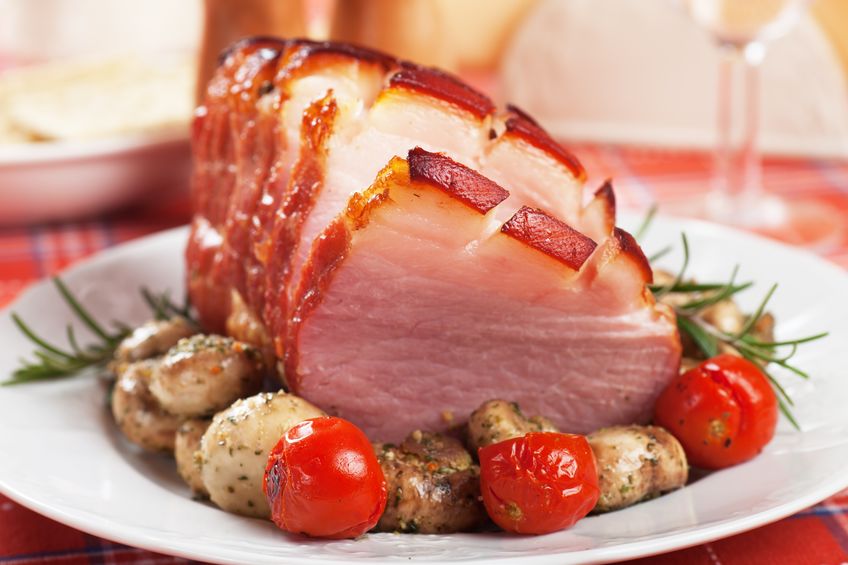
Ham (meat/bone/fat)

Jennifer Pallian - unsplash
Chocolate/Fudge
Vomiting/Diarrhoea

Immo Wegmann - Unsplash
Coffee/Tea

Nacho Domínguez Argenta - unsplash
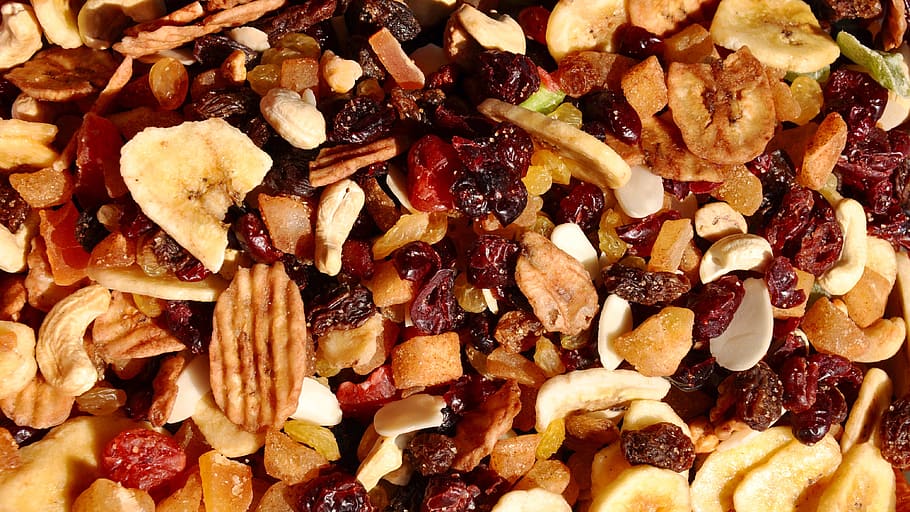
Grapes, Sultanas and Raisins
https://www.pxfuel.com/en/free-photo-ohrpo
Nuts
 https://commons.wikimedia.org/ https://commons.wikimedia.org/
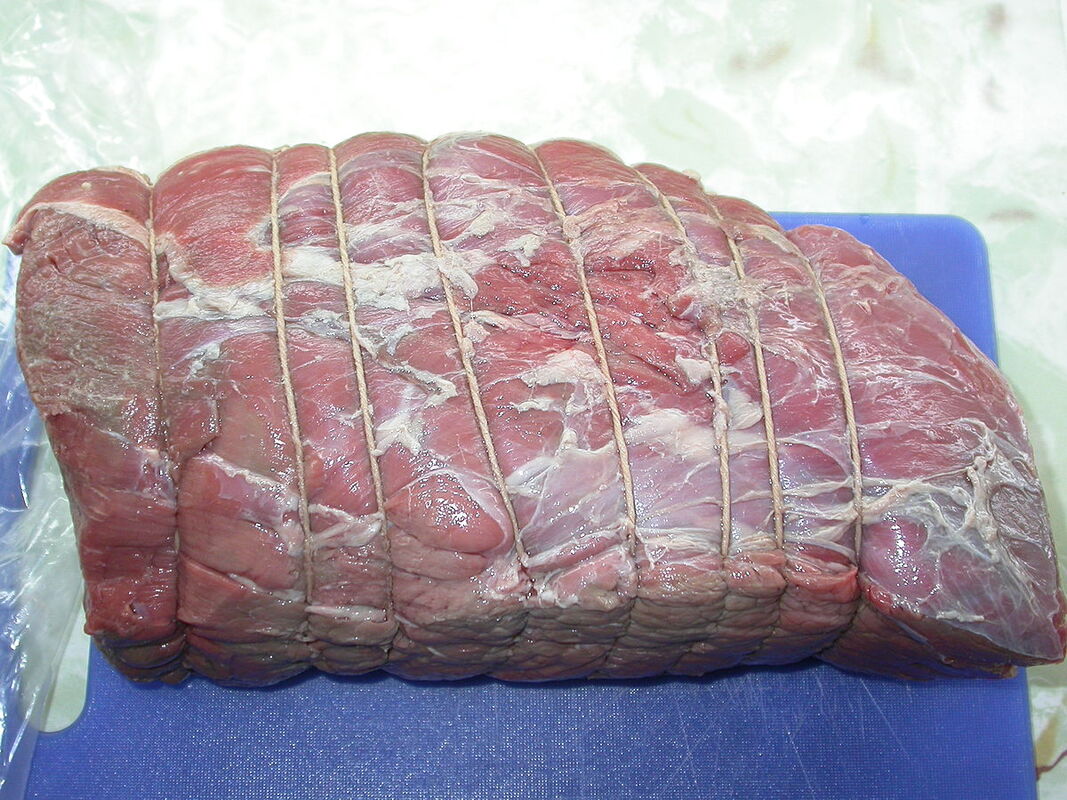
Meat Soaked Strings from your Roast
|
Jennifer Burk - Unsplash
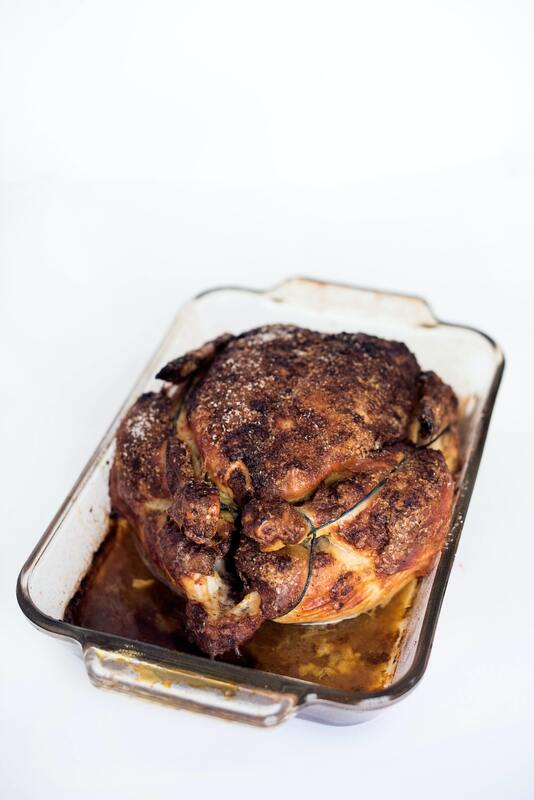
Turkey (Bone/fat)

Evan Wise - unsplash
Skewered Meat

Louis Hansel @shotsoflouis - unsplash
Alcohol
123rf.com/profile_dbvirago
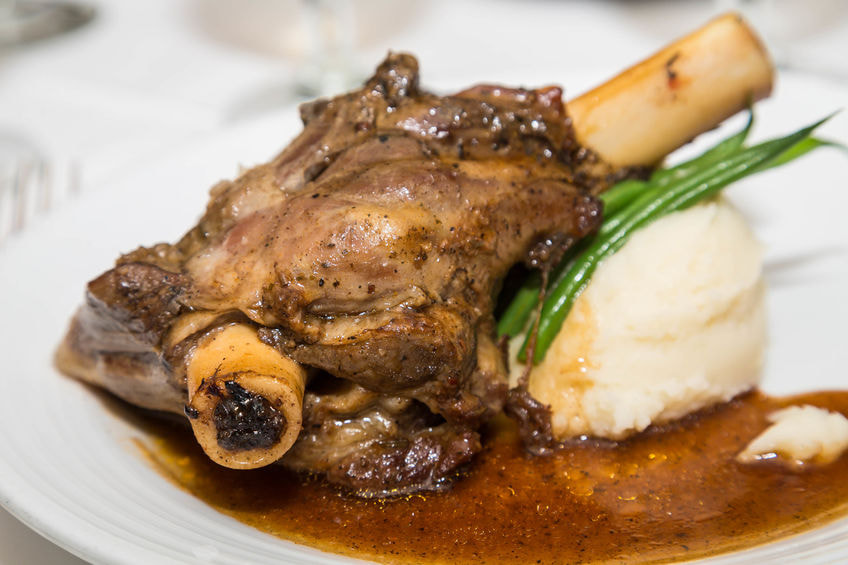
Cooked Bones
Vinicius "amnx" Amano - unsplash
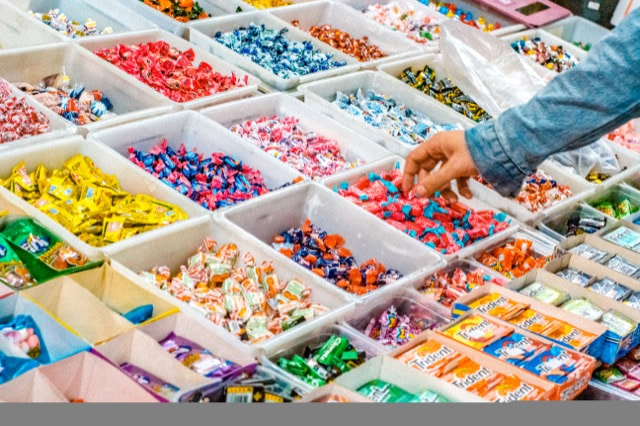
Artificial Sweeteners
|
Other Holiday Dangers

Mel Poole - unsplash
Decorations and Wrappings

Nareeta Martin - unsplash
Christmas tree decorations Baubles Tinsel Popcorn decorations
Emmanuel Butrón Zapata - unsplash
Heat Stroke/Stress
|
123rf.com/profile_destinacigdem
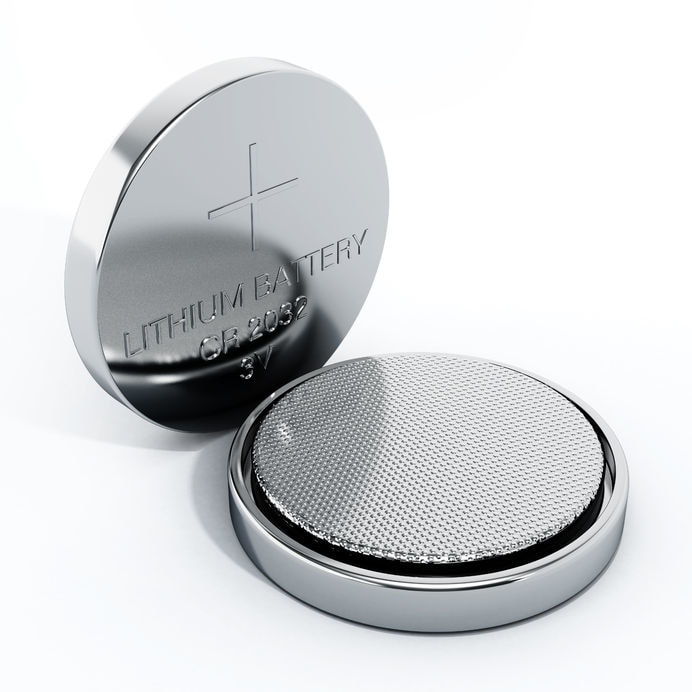
Batteries

Kevin Fitzgerald - unsplash
Electrical Cables/Christmas Lights
|
When to see your vet
You should take your pet to the vet if he/she is unwell at all over the holiday period. Don’t wait for your regular clinic to re-open as even a delay of 24 hours could put your pet’s life at risk.
|
Symptoms of Pancreatitis include:
Symptoms of Intestinal Obstruction:
|
Symptoms of Constipation:
Symptoms of Peritonitis:
Symptoms of Chocolate Toxicity:
|
My number one tip for keeping your pets safe this Christmas is careful planning.
Christmas tree – barrier your pet away from the tree and presents – baby gates, play pens or elevation of the tree onto a table out of reach.
People – strict supervision from you or another responsible adult
Some pets may become frightened or nervous around new people, loud noises etc. Set up somewhere for them that they are safe. Crates or a cool quiet room are a good idea – ensure food, enrichment toys and water are available.
Active supervision with pets and children (an adult within arm’s reach at all times). Good websites to review are:
www.familypaws.com/resources
http://drsophiayin.com/blog/entry/kids-and-dogs-how-kids-should-and-should-not-interact-with-dogs
Familarise yourself with k9 and feline body language – take steps to remove your pet from a situation if they are showing signs of concern.
Check out the Feline and Canine Body Language Pages
Supervise all guests and advise them on arrival not to sneak your pets any leftovers or treats without first asking your permission. Just think, if 20 guests sneak your small dog just a few morsels of food each you will quickly end up with a porky pooch and possibly a sick one too.
Other pets
If your pet is having “friends” over for Christmas or going to another pet’s house – ensure you provide adequate supervision.
- Dog fights, are not a pleasant experience for anyone, and you may be injured whilst trying to break them up.
Another thing to ensure is that your pet is wearing and has up to date identification
Ensure your dog/cat is wearing current ID (if you are staying away from home make sure you have a mobile number on his/her tag and update the microchip details with this also.
It is common over Christmas for pets to go missing
Minimise Stress
Ensure your dog/cat is wearing current ID (if you are staying away from home make sure you have a mobile number on his/her tag and update the microchip details with this also.
It is common over Christmas for pets to go missing
- Accidentally let out by an unsuspecting guest/visitor
- Travelling to a friend’s place and the property is not as secure as you first thought
- Summer storms that cause your pet to run and hide - for more on storms click here.
Minimise Stress
- You can also use Adaptil for dogs and Feliway for cats - pheromones that will help reduce stress.
- Long lasting chews or food enrichment toys.
- Safe places - including crates/ex pens for dogs, and vertical space and hidey holes for cats.
- Zylkene - relatively new to the Australian market in 2018 - safe for both cats and dogs - needs to be used for a few days prior to expected stress - is milk protein - safe and can be used with other pharmaceuticals etc.
Some useful numbers:
RSPCA Lost and Found...........................................................................07 3426 9999
RSPCA Animal Ambulance......................................................................1300 852 188
Brisbane City Council..............................................................................07 3403 8888
Logan City Council...................................................................................1300 156 426
Moreton Bay Regional Council...............................................................07 3205 0555
Animal Emergency Service (Springwood)..............................................07 3423 1888
Animal Emergency Service (Carrara)......................................................07 5559 1599
Animal Emergency Centre (Woolloongabba).........................................07 3456 0500
Manly Road Veterinary Hospital..............................................................07 3396 9733
BVSC Emergency (Albany Creek)..............................................................07 3264 9400
Pet Emergency (Stafford)...........................................................................07 3359 5333
RSPCA Lost and Found...........................................................................07 3426 9999
RSPCA Animal Ambulance......................................................................1300 852 188
Brisbane City Council..............................................................................07 3403 8888
Logan City Council...................................................................................1300 156 426
Moreton Bay Regional Council...............................................................07 3205 0555
Animal Emergency Service (Springwood)..............................................07 3423 1888
Animal Emergency Service (Carrara)......................................................07 5559 1599
Animal Emergency Centre (Woolloongabba).........................................07 3456 0500
Manly Road Veterinary Hospital..............................................................07 3396 9733
BVSC Emergency (Albany Creek)..............................................................07 3264 9400
Pet Emergency (Stafford)...........................................................................07 3359 5333
I hope I haven’t scared you too much, and wish you, your pets, family and friends a
Merry Christmas and Happy New Year.
Merry Christmas and Happy New Year.
References
Allan, T. (2014). Body Language. [online] All Pets Education and Training. Available at: http://www.allpetseducationandtraining.com.au/body-language.html [Accessed 28 Nov. 2014].
Familypaws.com, (2014). Family Paws-Family Paws resources. [online] Available at: http://familypaws.com/resources/ [Accessed 28 Nov. 2014].
Tilley, L. and Smith, F. (2000). The 5-minute veterinary consult. Philadelphia: Lippincott Williams & Wilkins.
Yin, S. (2014). Kids and Dogs: How Kids Should and Should Not Interact with Dogs. [online] Dr. Sophia Yin. Available at: http://drsophiayin.com/blog/entry/kids-and-dogs-how-kids-should-and-should-not-interact-with-dogs [Accessed 28 Nov. 2014].
Photos - my own, Carly Bowden, unsplash, pixabay and 123rf
Allan, T. (2014). Body Language. [online] All Pets Education and Training. Available at: http://www.allpetseducationandtraining.com.au/body-language.html [Accessed 28 Nov. 2014].
Familypaws.com, (2014). Family Paws-Family Paws resources. [online] Available at: http://familypaws.com/resources/ [Accessed 28 Nov. 2014].
Tilley, L. and Smith, F. (2000). The 5-minute veterinary consult. Philadelphia: Lippincott Williams & Wilkins.
Yin, S. (2014). Kids and Dogs: How Kids Should and Should Not Interact with Dogs. [online] Dr. Sophia Yin. Available at: http://drsophiayin.com/blog/entry/kids-and-dogs-how-kids-should-and-should-not-interact-with-dogs [Accessed 28 Nov. 2014].
Photos - my own, Carly Bowden, unsplash, pixabay and 123rf